
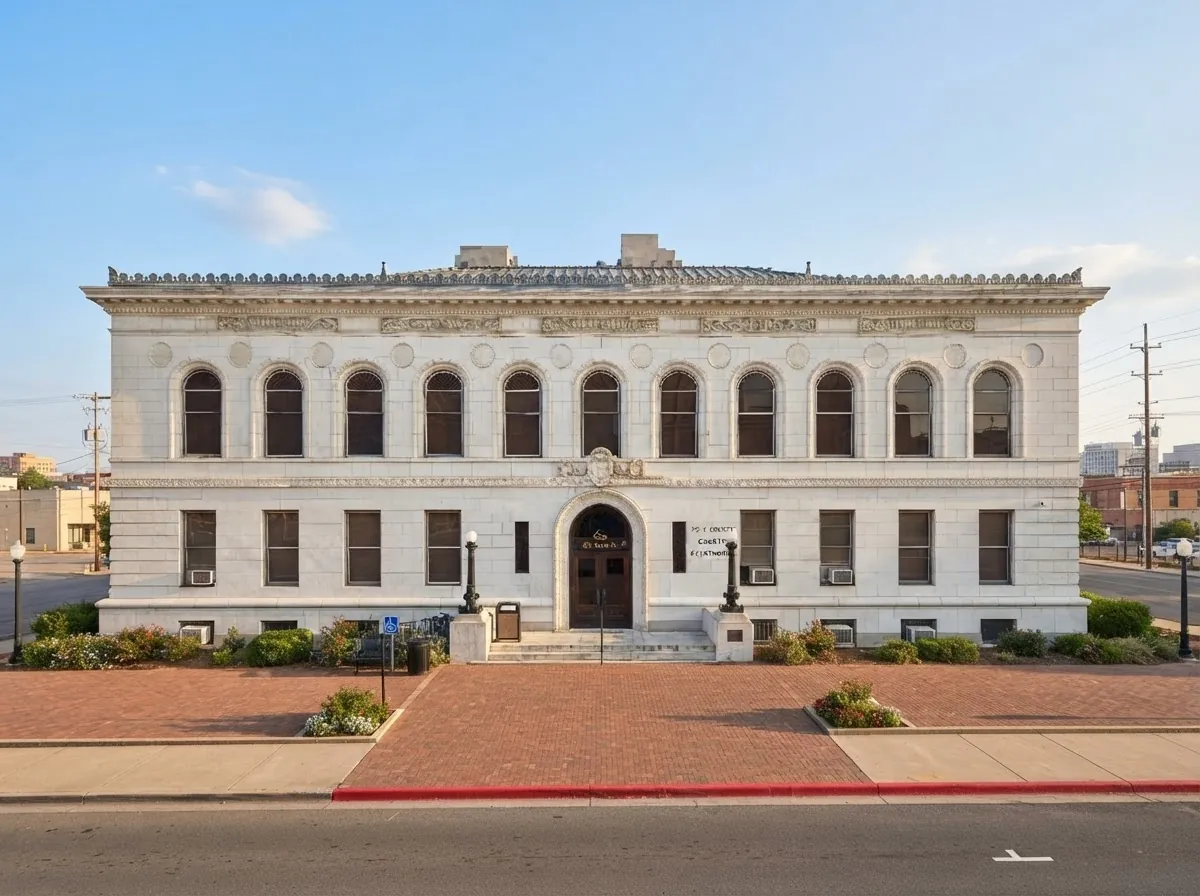
Court records in El Dorado County, California, are maintained by the clerk of the Superior Court and can be accessed through online tools, official court portals, and the clerk's office. ElDoradoCourt.us can help you find publicly available court record information for El Dorado County. You can also search records directly through the El Dorado Superior Court Public Access portal, visit the clerk's counter in person, or submit a written request using the court's local forms.
El Dorado Court System Overview
El Dorado County is served by the Superior Court of California, County of El Dorado. Under California's unified trial court system, the Superior Court is the single trial-level court for the county, handling all criminal, civil, family, probate, juvenile, and traffic matters. The court operates two courthouse locations — one in Placerville and one in South Lake Tahoe — to serve the county's geographically diverse population. Appeals from the El Dorado Superior Court go to the Third District Court of Appeal in Sacramento. The Judicial Branch of California oversees statewide court administration, while day-to-day operations are managed locally by the court's presiding judge and court executive officer.
Courts Serving El Dorado
| Court | Address | Phone |
|---|---|---|
| El Dorado County Superior Court — Main Courthouse | 495 Main Street, Placerville, CA 95667 | (530) 621-6426 |
| El Dorado County Superior Court — South Lake Tahoe Branch | 1354 Johnson Boulevard, Suite 2, South Lake Tahoe, CA 96150 | (530) 573-3075 |
| U.S. District Court, Eastern District of California (Sacramento) | 501 I Street, Sacramento, CA 95814 | (916) 930-4000 |
| U.S. Bankruptcy Court, Eastern District of California (Sacramento) | 501 I Street, Suite 3-200, Sacramento, CA 95814 | (916) 930-4400 |
El Dorado County falls within the federal Eastern District of California. Federal civil, criminal, and bankruptcy cases involving El Dorado residents are typically heard at the Sacramento courthouse.
What Types of Cases El Dorado Courts Hear
The El Dorado County Superior Court has jurisdiction over a broad range of case types:
- Felonies, misdemeanors, and infractions
- Civil litigation (unlimited and limited jurisdiction)
- Small claims
- Family law — divorce, custody, child support, domestic violence restraining orders, paternity
- Probate — decedent estates, guardianships, conservatorships, trust matters
- Juvenile — delinquency and dependency proceedings
- Traffic violations
- Adoptions
The Criminal Division maintains an index of criminal filings and records. Civil, family, and probate matters are handled through their respective divisions at the court.
District Court Cases in El Dorado
In California's unified court system, the Superior Court functions as both the trial court of general jurisdiction and the court for all case types — there is no separate "district" versus "magistrate" court at the state level. The El Dorado Superior Court hears all felony cases from arraignment through trial and sentencing. Civil cases with amounts in controversy exceeding $25,000 are classified as unlimited civil cases and are heard by Superior Court judges. The court also handles appeals from small claims judgments and post-conviction motions such as expungement petitions under Penal Code section 1203.4. Cases are assigned to judicial departments, and the presiding judge oversees case assignments across both courthouse locations.
Magistrate Court Cases in El Dorado
While California does not have a separate magistrate court, Superior Court judges and commissioners handle matters that function similarly to magistrate-level proceedings in other states:
- Misdemeanors and infractions — arraignment through disposition
- Felony preliminary hearings — determining whether probable cause exists to hold a defendant for trial
- Limited civil cases — disputes involving $25,000 or less
- Small claims — claims up to $10,000 for individuals (up to $5,000 for businesses and certain other entities)
- Traffic violations — including DUI arraignments and contested hearings
Commissioners often preside over traffic, small claims, and certain family law matters. The department calendars show which judicial officers handle specific case types on a given day.
Family Law, Probate, and Juvenile Matters in El Dorado
Family Law
Divorce, legal separation, custody, visitation, child support, spousal support, domestic violence restraining orders, and paternity cases are all filed and heard at the El Dorado Superior Court. Certified copies of divorce decrees can also be obtained through the California Department of Public Health Vital Records office for divorces granted on or after January 1, 1962.
Probate
Probate matters — including decedent estates, guardianships of minors, conservatorships for adults, and trust disputes — are heard by the Superior Court. Civil and probate tentative rulings are posted on the court's website after 2:00 p.m. the day before a scheduled hearing.
Juvenile
Juvenile delinquency cases (Welfare and Institutions Code section 602) and dependency cases (section 300, involving child abuse or neglect) are handled in the juvenile division. Juvenile court records are confidential under California law and are not available through the public case index. Access requires a court order or statutory authorization.
How Cases Move Through the El Dorado Court System
- Filing / Initiation — A criminal case begins with a complaint filed by the district attorney. Civil cases start with a complaint filed by the plaintiff. Family, probate, and juvenile matters begin with a petition.
- Case assignment — The clerk assigns the case to a judicial department based on case type and courthouse location.
- Initial hearing — Criminal defendants are arraigned (advised of charges and asked to enter a plea). Civil cases receive a case management conference date.
- Pre-trial phase — In criminal cases, this includes motions, discovery exchange, and plea negotiations. In civil cases, parties conduct discovery, file motions, and may attend mandatory settlement conferences.
- Trial or resolution — Cases may resolve by plea agreement, jury or bench trial verdict, settlement, or default judgment.
- Post-judgment — Criminal cases may involve sentencing, probation, and appeals. Civil cases may involve enforcement of judgments or post-trial motions. Appeals from the Superior Court go to the Third District Court of Appeal.
Court Administration, Local Rules, and Public Access in El Dorado
The El Dorado Superior Court is administered by a presiding judge and a court executive officer. Local rules governing practice and procedure in El Dorado are available on the court's website.
Public Access to Records
Under California Rules of Court (rules 2.500–2.507) and the California Public Records Act, most court records are presumed open to the public. However, certain records — including juvenile files, sealed records, and some family law documents — are confidential. The Judicial Branch's public records page explains statewide access policies. For electronic records, rule 2.503 lists case types that may only be viewed at the courthouse rather than online.
Attending Hearings
Hearings at the El Dorado Superior Court are generally open to the public. Some proceedings may be available via remote video or telephone — check the court's website or contact the clerk's office for current remote-appearance options.
Record Requests
To request a court file, submit Local Form M-5 by mail or in person at the clerk's counter. The court is currently digitizing older records, so some files may be temporarily unavailable.
Court Records and Related Court Resources in El Dorado
- Online case search — The El Dorado Superior Court Public Access portal lets you search case data for civil, criminal, family, and traffic cases by name or case number.
- Department calendars — View upcoming hearings and judicial calendars through the court's case index and department calendars page.
- Online services — The court's online services page provides access to filings, payments, and case information tools.
- Record search requests — Submit Local Form M-5 to request a specific case file by case number.
- Self-help resources — The California Courts Self Help Guide offers step-by-step instructions for common court procedures, including how to look up a court case.
- CDCR inmate search — Use the California Incarcerated Records & Information Search (CIRIS) to locate individuals in state prison. For assistance, call the CDCR Identification Unit at (916) 445-6713.
- California DOJ criminal justice data — The OpenJustice data portal provides statewide criminal justice statistics and datasets.
- Sex offender registry — The California Department of Justice maintains the Megan's Law database at meganslaw.ca.gov for searching registered sex offenders by location.
- Divorce record copies — Certified copies of California divorce records can be ordered through the CDPH Vital Records office.
For additional help navigating El Dorado County court records, visit ElDoradoCourt.us.